
Private air travel is growing rapidly in Victoria, driven by travellers who want flexibility, faster departures, and the ability to fly directly to destinations commercial airlines don’t service. From business executives to families planning weekend escapes, more people in Melbourne are choosing air charter as a safer, more personalised alternative to traditional travel.
But despite the rising popularity, one question comes up more than any other:
“Is private air travel really safe?”
The short answer: yes — when operated by licensed Australian charter companies that meet strict aviation standards.
This guide breaks down exactly how safety works in Melbourne’s private aviation sector, how pilots are trained, what aircraft are used, and what safeguards protect passengers on every flight.
1. Why Private Air Travel Is Growing in Melbourne
Melbourne has become a major hub for business and leisure charter flights thanks to:
- Multiple departure airports (Essendon Fields, Moorabbin Airport, Melbourne Airport)
- Access to more than 150 regional and interstate destinations
- Increasing delays and crowding in commercial terminals
- The availability of modern, efficient aircraft such as the Diamond DA62 and Citation Mustang
For many travellers, the ability to arrive just minutes before departure, avoid security queues, and fly directly to places like Mildura, Albury, Launceston, or Merimbula is a game-changer.
However, as interest grows, so does the need for clarity around safety — and how private charter flights in Melbourne are regulated.
2. The Safety Framework: CASA Regulations Protect Passengers
In Australia, private air charter is regulated by the Civil Aviation Safety Authority (CASA), one of the most respected and strict aviation regulators in the world.
Charter operators must meet demanding standards before they are allowed to fly passengers. These include:
✈ Certified Air Operator’s Certificate (AOC)
A charter company must hold an AOC, which requires proof of:
- Safe operating procedures
- Approved training programs
- Qualified pilots
- Aircraft maintenance and inspection programs
- Operational manuals
- Emergency and risk-management systems
Only operators with an active AOC can legally provide charter services.
✈ Continuous Audits and Compliance Checks
CASA performs ongoing audits to ensure operators maintain:
- Safety records
- Pilot competency
- Technical standards
- Quality assurance procedures
- Maintenance schedules
If an operator fails to meet requirements, their certificate can be suspended or revoked.
✈ Mandatory Aircraft Maintenance Standards
Aircraft used for Melbourne charter flights undergo:
- Scheduled inspections based on flight hours
- Engine monitoring
- Annual and periodic strip-down inspections
- Avionics and safety-system testing
- Independent maintenance performed by licensed engineers
This is far more rigorous than maintenance requirements for private non-commercial aircraft.
✈ Weather and Operational Safety Rules
Charter flights must comply with rules for:
- Minimum visibility
- Cloud ceilings
- Crosswind limits
- Terrain and obstacle avoidance
- Night operations
- Fuel planning and reserves
If conditions are unsafe, flights do not depart — no exceptions.
3. Pilot Qualifications: Training Levels Exceed Commercial Standards
One of the biggest safety benefits of flying with a licensed Melbourne air charter operator is the experience and training of the pilots.
A typical charter pilot operating aircraft such as a Diamond DA62 or Citation Mustang will have:
- A Commercial Pilot Licence (CPL) or Airline Transport Pilot Licence (ATPL)
- Hundreds to thousands of flying hours
- Extensive training in multi-engine operations
- Instrument flight training (IFR) so they can fly in cloud or at night
- Type-specific training and check flights
- Recency and competency checks every 6 months
- Emergency procedures training
Pilots undergo continuous testing covering:
- Engine-out procedures
- Navigation
- Weather decision-making
- Instrument approaches
- Crew resource management
- Safety protocols and emergency scenarios
Private charter pilots also learn how to operate safely into regional airports, which may have shorter runways or variable weather — skills that commercial airline pilots may not regularly practice.
4. The Aircraft: Modern, Efficient, and Built for Safety
Melbourne-based charter companies commonly use aircraft that combine modern engineering, advanced avionics, and impressive fuel efficiency. The two most popular categories are:
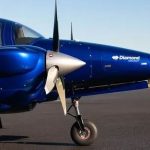
🔹 Diamond DA62 — The Benchmark for Modern Safety
The Diamond DA62 is a twin-engine, seven-seat aircraft known for outstanding reliability, low vibration, and advanced safety technology. Its composite airframe is corrosion-resistant and built to withstand high stress loads.
Key safety features include:
- FADEC-controlled diesel engines (simplifies engine management)
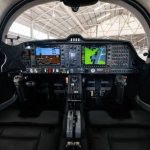
- Glass cockpit avionics (Garmin G1000/G1000 NXi)
- Terrain awareness and warning systems (TAWS)
- Traffic avoidance systems
- Weather radar and satellite overlays
- Redundant electrical and fuel systems
The DA62 is widely considered one of the safest light aircraft ever made.
🔹 Citation Mustang — A Light Jet with Big-Jet Safety Features
The Cessna Citation Mustang is a four-passenger light jet designed with the same safety philosophy as larger business jets.
Safety benefits include:
- Dual-engine redundancy
- Advanced autopilot systems
- Pressurised cabin
- Weather radar
- Anti-icing and de-icing systems
- Dual electrical and hydraulic systems
Despite its compact size, it meets the same design and regulatory standards as larger commercial jets.
5. Pre-Flight Safety Checks: What Happens Before You Take Off
Before every private charter flight in Melbourne, pilots and engineers follow strict checklists. These include:
Pilot Pre-Flight Inspections
- Fuel quality and quantity checks
- Engine oil and hydraulics
- Propellers and engine inlets
- Flight control surfaces
- Tyres and landing gear
- Avionics and electrical systems
- Emergency equipment
- Weather evaluation
- Route analysis and fuel planning
Pilots will not depart until all checks are complete.
Operational Flight Planning
Charter operators rely on advanced software that analyses:
- Weather patterns
- Wind and turbulence
- Aircraft performance
- Runway length and conditions
- Terrain and instrument approaches
- Fuel burn and reserves
This level of planning is designed to maximise safety and efficiency.
6. Why Private Charter Flights Are Often Safer Than Driving
Melbourne travellers often compare private flying to driving. Statistically, general aviation, when operated commercially under CASA regulations, has an excellent safety record.
Factors that increase safety include:
- Professional pilots with structured decision-making training
- Highly maintained aircraft with strict inspection cycles
- Controlled airspace and monitored flight paths
- Advanced onboard navigation and terrain systems
- Reduced human factors thanks to smaller crew workloads
- The ability to fly above weather rather than through it
When conditions aren’t safe — the flight doesn’t operate. Unlike road travel, aviation is highly regulated and monitored in real time.
7. Choosing a Safe Air Charter Provider in Melbourne
Not all charter operators are the same. When booking a private flight, make sure the company:
1. Holds a valid CASA Air Operator’s Certificate (AOC)
This is the minimum legal requirement.
2. Provides experienced multi-engine, IFR-rated pilots
Ask about their flying hours and training.
3. Uses modern aircraft with strong safety track records
DA62, King Air, PC-12, and light jets like the Citation Mustang are excellent options.
4. Offers transparent communication about weather and conditions
Safety-focused operators are upfront about delays or rescheduling.
5. Has strong customer reviews for reliability and professionalism
A trustworthy operator is consistent in both service and safety.
8. What Melbourne Travellers Say About Flying Private
Many first-time charter customers are surprised by:
✔ How smooth and quiet the flight is
Modern aircraft produce less vibration and noise than expected.
✔ How quickly they depart after check-in
Most travellers arrive 15–30 minutes before takeoff.
✔ The personalised experience
Pilots meet customers directly, discuss weather, explain the flight plan, and answer questions.
✔ The comfort of smaller airports like Essendon and Moorabbin
These airports are calm, clean, and far less stressful than large terminals.
For travellers who value safety + efficiency, private aviation quickly becomes a preferred method of transport.
9. Final Thoughts: Safety Is Built Into Every Stage of Charter Aviation
Private air travel from Melbourne is not just convenient — it is highly regulated, thoroughly monitored, and operated by some of the most skilled pilots in Australian aviation.
When you fly with a legitimate CASA-certified operator:
- Aircraft are maintained to strict professional standards
- Pilots are highly trained
- Weather and conditions are continuously monitored
- Operations teams oversee every detail of the flight
- Safety is embedded in every step, from planning to landing
For travellers seeking a reliable, flexible, and stress-free alternative to commercial travel, private air charter offers a safe and trusted way to fly across Victoria and beyond.